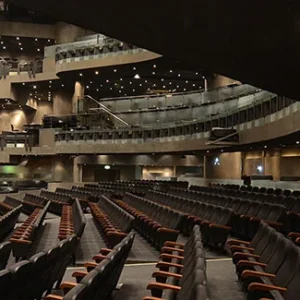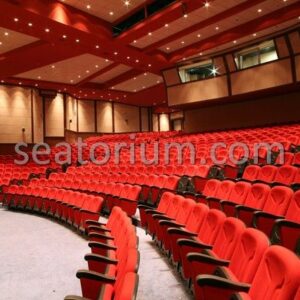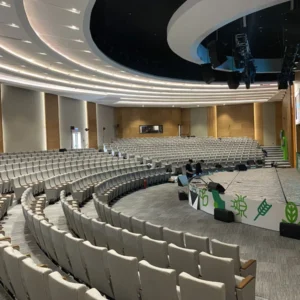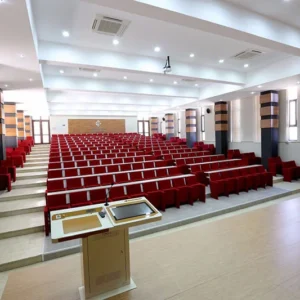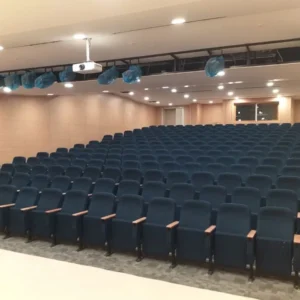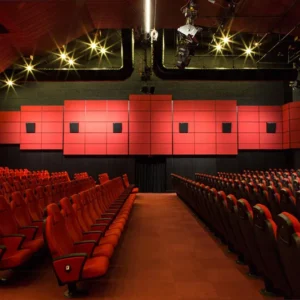
Have you ever walked into a lecture hall and immediately noticed how the layout, seating style, or even the materials used set the tone of the entire space? Whether you’re managing a large-scale university project or leading a procurement decision for a global academic institution, lecture hall seating isn’t just about placing rows of chairs—it’s about shaping learning environments that support focus, interaction, and long-term durability.
Professionals in architecture, interior design, construction, or institutional purchasing already know the stakes: A poorly chosen seating system can diminish user satisfaction, increase maintenance costs, and even hinder student engagement. So, let’s dive into what truly defines quality lecture hall seating—and what smart professionals are prioritizing in today’s competitive, global market.
Table of Contents
What Makes Lecture Hall Seating a Strategic Investment?
Lecture hall seating has evolved far beyond static, rigid arrangements. Today, the goal is clear: to support modern academic dynamics through flexibility, longevity, and user-friendly features.
Many institutions have started asking: What type of seating solution sustains performance across a 10-year lifecycle or more, without requiring extensive refurbishment? The answer lies in durable lecture hall seats that combine advanced mechanisms (like auto-return and anti-panic writing tablets) with vandal-resistant engineering and modular design. These aren’t just chairs—they’re long-term infrastructure components.
From ventilation slots for prolonged seating comfort to seat numbering integration that simplifies hall logistics, technical elements are no longer optional. They’re becoming standards.
Rethinking Traditional Classroom Seating
Why Traditional Models No Longer Fit Today’s Needs
Classroom seating once prioritized quantity over quality. But as pedagogical approaches shift toward active learning and collaboration, seating must adapt too. Fixed seating rows with limited legroom or restrictive writing surfaces can actually inhibit student performance.
Are modern classroom seating design concepts addressing the right pain points? Increasingly, yes. Newer configurations often include curved layouts that maximize sightlines and reduce cognitive fatigue. Under-structure clearance allows for robotic cleaning systems, and cable management systems are now being discreetly embedded into chair bases.
Understanding the Ergonomics of Student Engagement
When you evaluate seating from a usage standpoint, fatigue is one of the most reported complaints. That’s where ergonomic lecture chairs come into play. With contoured backrests, ventilation channels, and seat foams that retain their shape beyond 100,000 usage cycles, these designs are engineered not just for comfort—but for high-frequency use.
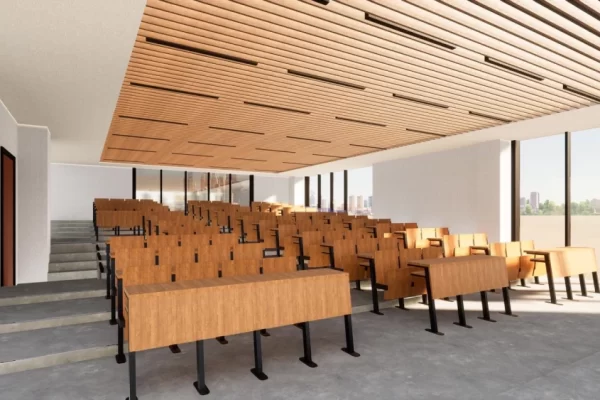
Why University Auditorium Seating Demands Scalable Solutions
Balancing Capacity with Comfort and Flow
In large academic institutions, university auditorium seating must meet both space optimization goals and high foot traffic durability. But how do you maximize lecture hall capacity without compromising movement and accessibility?
Professionals are increasingly implementing radial or chevron layouts, often paired with staggered seat positioning. This not only improves visibility and acoustics but also supports fast evacuation protocols—something many older installations simply can’t guarantee.
Considerations for AV Integration and Sightline Calculations
Modern auditoriums require seamless AV integration. Seating must accommodate multiple sightline axes to digital screens and speaker platforms. Here, academic seating layout becomes more than just aesthetics—it becomes a precise mathematical and architectural planning task. This is where tools like Revit and BIM modeling come in handy, offering exact simulation of sightline angles and spacing efficiency.
Seminar Room Seating: Optimizing for Interaction
Is Your Seminar Room Seating Holding Back Participation?
Seminar room seating introduces another dimension: collaboration. Unlike lecture theaters, seminar rooms are built for discussion, not just presentation. So, what types of seats encourage participation while maintaining professional decorum?
Foldable, mobile units with noise-reduction glides and easily sanitized surfaces are gaining traction. The ability to reconfigure a room within minutes supports diverse teaching formats and empowers facilitators to control the learning environment dynamically.
Surface Design and Table Integration Matter
Did you know that table inclination and surface reflectivity can directly affect concentration levels? Integrating matte-finish, anti-glare table attachments into lecture hall furniture packages enhances visibility and reduces eye strain—an often-overlooked but impactful detail.
Academic Hall Seating: Customization Meets Durability
Should You Go With Modular or Fully Integrated Systems?
Modular seating systems are allowing institutions to adjust academic hall seating layouts without invasive construction. But how do you ensure those modular parts don’t compromise durability?
Reinforced aluminum profiles, scratch-resistant laminates, and powder-coated finishes are now standard in high-performance seating solutions. Some suppliers are even offering 3D customization previews before production, helping decision-makers visualize everything—from upholstery textures to row spacing.
Lecture Theatre Seating: The Rise of Smart Features
Is Smart Seating the Future of Lecture Theatres?
It’s not science fiction anymore—lecture theatre seating is incorporating smart sensors for usage tracking, thermal regulation, and even occupancy heat maps. Why is this relevant to professionals like you?
Because data gathered from these systems can optimize HVAC planning, improve cleaning schedules, and offer predictive maintenance insights. That means budget allocation can shift from guesswork to informed strategy.
Accessibility and Compliance
Have you factored in ADA and EN 14703 compliance into your project? Global institutions are increasingly requiring university seating solutions that accommodate wheelchair access, companion seating, and intuitive wayfinding. This isn’t just about inclusivity—it’s about future-proofing your investment.
Choosing the Right Lecture Hall Furniture Suppliers
How Do You Evaluate a Supplier’s Reliability?
Choosing lecture hall furniture suppliers goes beyond comparing brochures. You need partners who understand global standards, offer customizable configurations, and support long-term part availability.
Requesting samples, factory visits, and ISO 9001 certification documentation is a great way to verify manufacturing credibility. Also, check whether they offer post-installation training or maintenance packages—it can save thousands in the long run.
Global Shipping and Lead Time
Shipping times can stretch for months, especially with customized seating. That’s why coordinating with suppliers who manage local warehousing or regional partnerships can streamline logistics. A good supplier will always provide detailed 3D layouts and material cut sheets before production.
Still Wondering: What Is Lecture Hall Seating, Really?
So let’s circle back—what is lecture hall seating in today’s terms? It’s no longer a static architectural element. It’s a hybrid of design precision, material science, user-focused ergonomics, and tech integration. For decision-makers, it’s a high-stakes component that can shape an institution’s reputation, efficiency, and overall learning culture.
From smart technologies and seating layouts to supplier selection and compliance, the choices you make ripple out in ways you may not see immediately—but that students and staff feel every day.
If you’re planning your next academic space, have you really evaluated whether your current seating plans align with modern usage demands? Take the time to reassess; the returns can be both operational and reputational.