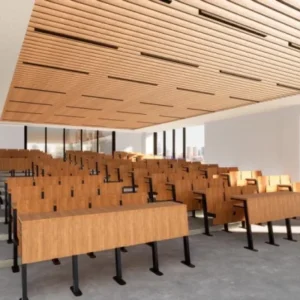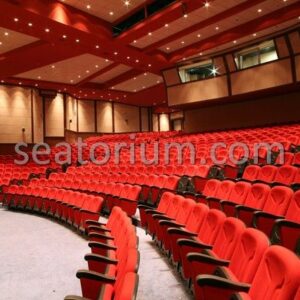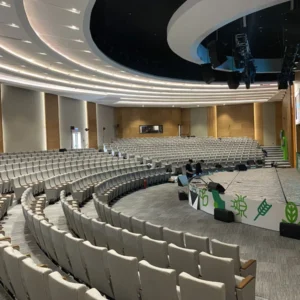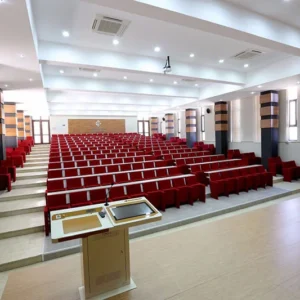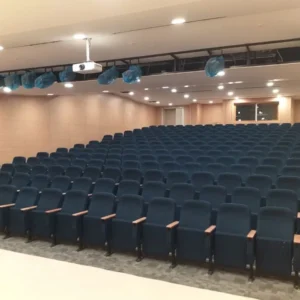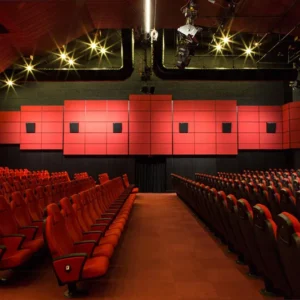
In the world of performance architecture, few elements influence audience experience as deeply as the theater seating arrangement. Whether it’s an iconic opera house or a modern multi-purpose auditorium, how you place your seats doesn’t just impact sightlines—it defines the very atmosphere of the venue. But what exactly does a well-planned seating layout involve, and how can it support both technical and artistic goals of a project?
If you’re part of a procurement team, an architectural office, or leading a project implementation company, you already know: good seating isn’t just about filling space—it’s about crafting the audience experience. So, let’s dive in and explore the essentials and finer nuances that turn a venue into a world-class performance space.
Table of Contents
Understanding the Theater Seating Arrangement
At its core, a theater seating arrangement refers to the spatial layout and orientation of audience seats in relation to the stage or performance area. But calling it just an “arrangement” undersells its complexity. Professionals across the globe—from Qatar to London—know how tightly this subject interlocks with acoustics, stage visibility, circulation routes, and even fire safety regulations.
For instance, when designing a seating plan for a 1,200-capacity concert hall, the geometry of the room, the performance hall layout, and the angle of each seat’s incline can dramatically affect sound dispersion and audience immersion. So here’s a question:
Can a minor misalignment in rows affect the overall acoustic experience?
Yes, even a 2-3° deviation in the rake or offset can lead to echo clustering or uneven distribution of high-frequency sounds.
This is why collaboration between acoustic consultants, architects, and seating manufacturers is vital from the earliest phases.
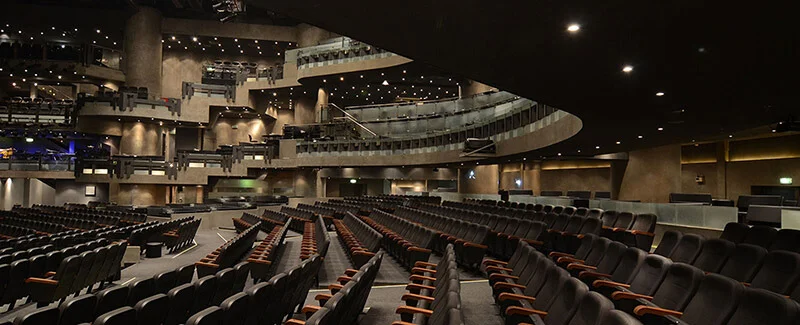
Theatre Seat Layout: Crafting a Functional Flow
When creating a theatre seat layout, it’s not just about maximizing capacity—it’s about optimizing functionality and comfort over time. While proscenium-style layouts dominate classical designs, thrust or arena configurations are being used more frequently to serve modern performances.
Key considerations in seat layout:
- Row curvature to enhance sightlines
- Staggering strategies for head clearance
- Riser heights adjusted to average body dimensions
- Access aisles that support fast evacuation and circulation
An intelligently engineered audience seating arrangement integrates all these points, while still leaving room for flexibility. Let’s not forget: venues often serve multiple event types, so adaptability can make or break long-term operational success.
Performance Venue Seating Plan: More Than Just Blueprints
A performance venue seating plan goes well beyond a drawing. It represents months of planning, simulation, and iteration. This is where tools like seating arrangement software come into play. Modern software allows planners to visualize different configurations instantly, simulate audience movement, and evaluate multiple layouts for capacity optimization.
Have you tried simulating a venue with convertible tiers or telescopic platforms?
Professionals who did, often discovered that such features improved ticket sales by up to 18% for varied event types. That’s a strategic gain you can’t ignore.
A strong seating plan also defines VIP zones, technical booth placements, and ADA-compliant access points. Every square meter counts, and how you allocate it speaks volumes about the venue’s functionality.
Cinema Seating Arrangement: When Viewing Angles Rule
Let’s shift focus briefly to the cinema seating arrangement. Unlike traditional theatres, cinemas demand strict control over horizontal and vertical viewing angles. Here, standards from SMPTE (Society of Motion Picture and Television Engineers) often guide how far and at what height seats should be placed relative to the screen.
A curved screen? That means recalibrating every single row.
Premium seating zones? Better test multiple theatre seating design models before you finalize.
Another technical gem: staggered seatbacks and offset armrests help reduce visual obstruction by up to 22%, especially in stadium-style seating configurations.
Stage Seating Layout: Bridging Performance and Proximity
When your layout includes stage seating, you’re essentially blending the line between performer and audience. These are layouts where audience seats partially or completely surround the performance area.
Why use stage seating layouts?
Because they intensify immersion. They increase audience-performer engagement. But there’s a catch: the design must address back-of-head visuals, acoustical spill, and flexible staging solutions.
Some theatre design templates use modular seat blocks that can be removed or rotated depending on the event. It’s smart, cost-efficient, and future-proof.
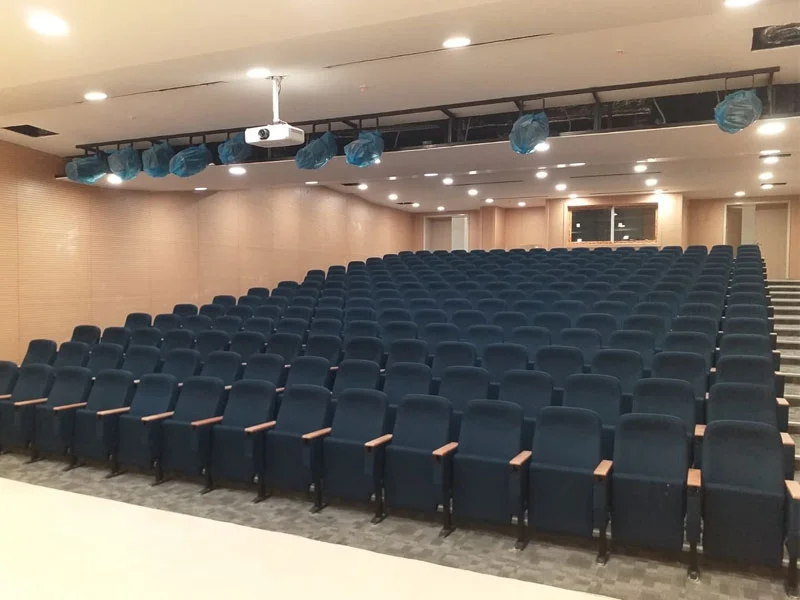
Event Theatre Seating: Designing for Every Occasion
Multi-purpose venues are trending across the globe. From educational institutions to large-scale cultural centers, a single space may need to host drama, concerts, lectures, and even film festivals.
This is where event theatre seating gets creative. You’re not just placing seats; you’re designing transformation systems. Consider retractable platforms, stackable seats, or rotating floor mechanisms.
Did you know automated seating systems can reduce turnover time between events by up to 75%?
It’s innovations like these that deliver long-term ROI and reduce staffing strain.
Modern event seating planners lean heavily on flexibility—not just in the physical layout, but also in audience experience. Lighting sightlines, performer-audience intimacy, and acoustics all adjust depending on the chosen layout.
The Art and Math Behind Theatre Seat Numbering Systems
Let’s not overlook the theatre seat numbering system—a seemingly minor topic that often causes major operational challenges when done poorly. Logical numbering improves crowd control, minimizes confusion, and supports ticketing software integration.
Smart numbering practices include:
- Even/odd row sequencing for efficient ushers
- Sector or block-based identification
- Integration with mobile wayfinding apps
- Visibility checks from entrance points
Correct numbering isn’t just practical—it’s part of the experience. Nothing annoys a guest more than seat confusion before curtain time.
Optimizing Capacity Without Compromising Experience
Finally, let’s touch on venue seating capacity and theatre seating optimization. These two go hand-in-hand. Pushing capacity often undermines sightlines or acoustics—but there are creative ways to stretch limits without sacrifice.
What layout methods help increase capacity safely?
Angled rows with variable-width seating modules can increase capacity by 8–12% without affecting comfort or safety. Couple this with clever aisle zoning, and you’re looking at serious efficiency gains.
Using a well-designed theatre seating diagram, venue planners can simulate both worst-case and ideal-case occupancy scenarios. It’s an underused strategy that can reveal powerful layout adjustments.
Final Thoughts: Making Theater Seating Work for Everyone
A successful theater seating arrangement is never one-size-fits-all. It’s an orchestration of space, comfort, function, and emotion. Whether you’re outfitting a 2,000-seat opera house in Riyadh or a black-box theatre in Amsterdam, it all starts with understanding the nuances.
So, next time you draft or evaluate a layout, ask yourself:
Does this arrangement serve both the performers and every single seat in the house?
If the answer is yes, then you’re on the right path to building something truly exceptional.