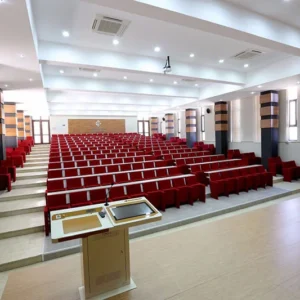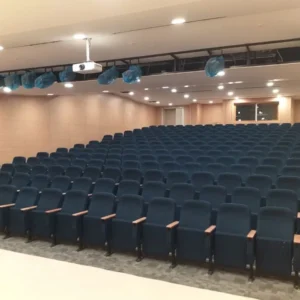
If you’ve ever walked into a theatre hall and felt the silent choreography of structure, sightline, and audience flow, you’ve already met the unseen genius of theatre seating. But what truly defines it, and more importantly—what transforms it from a row of seats into a critical layer of the performance experience? This isn’t just about where people sit. It’s about how the space speaks to the story, the sound, and the spectators.
Professionals in architecture, venue planning, and procurement know well that theatre seating is a world of its own—one filled with technical nuance, evolving needs, and increasingly specific demands. In this article, we’re peeling back the layers and diving deep into the real craft behind seating systems built for performances.
Table of Contents
Understanding Theatre Seating: More Than Just Rows of Chairs
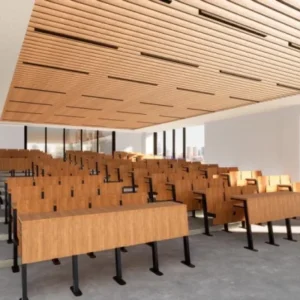
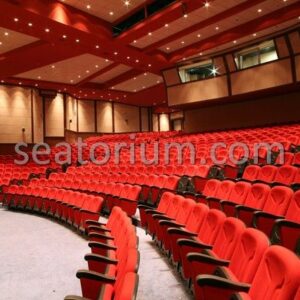
Theatre seating refers to fixed or semi-fixed seating systems specifically designed for performance environments—typically within auditoriums, theatres, or multi-purpose venues. What sets them apart is not just their visual rhythm but their engineered alignment with acoustics, stage sightlines, egress strategies, and audience ergonomics.
For those working with public or private venues, one of the recurring questions is:
What separates premium theatre seating from generic fixed seating?
The answer lies in the integration of design intent with venue-specific technical requirements—including theatre seating layout, slope compensation, row curvature, aisle mapping, and compliance with international fire safety and accessibility codes.
Auditorium Seating: Tailoring Systems for Large-Scale Venues
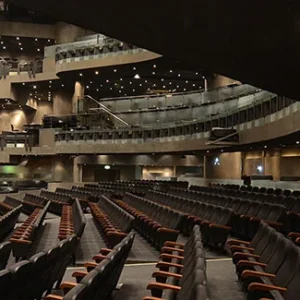
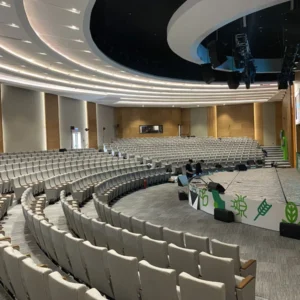
Larger venues, particularly multipurpose halls and performing arts centers, require a nuanced take on auditorium seating. These environments demand seating systems that balance density, comfort, and circulation.
Sightline Engineering in Auditoriums
A key design consideration in auditorium seating is the rake and riser height. Optimizing vertical sightlines often leads to staggered seating rows and increased floor gradients—commonly around 12-15°—to ensure even the last seat has a clear view of the stage.
Adaptive Seating Installations
Movable or retractable systems have become increasingly popular. Why? Because flexibility wins in modern venue programming. These systems are often found in venue seating solutions that cater to multi-format use, including concerts, conferences, and live shows. Their installation requires coordinated timelines and mechanical precision—usually delivered by specialized theatre furniture suppliers.
Performance Venue Seating: Meeting Acoustic and Architectural Goals
Every performance space sings a different song. Performance venue seating aligns itself with this tune by collaborating with acousticians and theatre consultants during the planning stages.
Materiality Meets Function
Did you know the seat’s upholstery and cushioning directly influence a venue’s reverberation time?
That’s right. The absorption coefficient of theatre seat materials—such as high-density foams, breathable fabrics, or perforated wood panels—can impact the room’s acoustical profile, even when seats are unoccupied. Acoustic modeling software often includes these variables to simulate real-time performance metrics before the venue even opens.

Cinema Seating: Comfort Meets Cinematic Experience
In the world of cinema seating, the game shifts toward immersive comfort and long-term durability. Think extended viewing sessions, personal space, and increasingly high-end features like integrated cup holders, recliners, or even power controls.
But here’s a question to ponder:
Can cinema seating systems meet fire-safety codes and still deliver a luxurious experience?
Yes—and high-grade flame-retardant upholstery, powder-coated steel frames, and anti-panic mechanisms on armrests are just a few of the innovations making this possible. Professionals involved in refurbishments or new installations often turn to cinema-focused theatre seating suppliers for guidance on achieving both code compliance and upscale aesthetics.
Theatre Chairs: Customization That Reflects the Brand
Let’s talk about individual character. Theatre chairs are often a canvas for venue identity. From historic playhouses to modern drama studios, chair design can quietly reflect the venue’s heritage or vision.
Personalization Options for Chairs
From embroidered row numbers to laser-cut logos on wooden backs, the level of customization is extensive. Decision-makers working on high-profile renovations frequently prioritize bespoke theatre seating design that incorporates their visual language into the build.
Still wondering:
Is full customization worth the lead time and cost?
For cultural or brand-centric venues—absolutely. Custom chair design often enhances both the user experience and the visual language of the theatre. Procurement timelines might stretch by 4–8 weeks, but the long-term impact is notable.
Stage Seating Arrangement: The Architecture of Immersion
Stage seating arrangement might sound straightforward—but it’s one of the most strategic elements in venue planning. From proscenium setups to thrust and arena configurations, the seating plan determines audience proximity, focus points, and even performer interaction.
Modular Seating for Flexible Stage Arrangements
Venues leaning toward experimental or immersive productions often require modular setups—typically featuring mobile seating blocks or telescopic systems. This demands robust planning around weight distribution, theatre seating capacity, and locking mechanisms that ensure both stability and efficiency in room turnover.
These systems are frequently used in black box theatres or touring stage installations where adaptability defines usability.

Key Considerations in Theatre Seating Design and Installation
No matter the venue size or type, some themes consistently guide the best theatre seating installation strategies:
- Structural anchoring systems: Whether bolt-down or rail-mounted, base anchoring affects both maintenance and modularity.
- Maintenance accessibility: Underseat cleaning, part replacement, and vandal-resistance features all contribute to lifecycle value.
- Fire and acoustic certification: Top-tier seating lines often come pre-certified for NFPA or EN standards, a non-negotiable for institutional buyers.
Theatre Seating Trends: What Lies Ahead?
Let’s take a peek into the future. Hybrid venues, digitized seat selection, and enhanced material innovation are reshaping the industry.
So, what are the current theatre seating trends professionals should know?
- Increased demand for sustainable seat materials (recycled aluminum, FSC-certified wood)
- Enhanced data integration (seat occupancy sensors for energy-saving HVAC systems)
- Greater attention to demographic inclusivity (accessible aisle seats, bariatric models)
If your project is going live in 2025 or 2026, incorporating these considerations can put you ahead of the curve in both function and social responsibility.
Final Thoughts: Theatre Seating as an Extension of Performance
In short, theatre seating is not an afterthought—it’s a performance tool. It shapes the way the audience connects with the stage, how a space breathes, and how your venue tells its story before the curtain even rises.
So if you’re about to design, specify, or procure for a performance venue, ask yourself:
Does the seating you’re considering amplify the experience—or just fill the space?
Choosing the right seating system involves balancing spatial dynamics, acoustic behavior, visual flow, and long-term maintenance. But with the right planning, support, and a vision aligned with performance goals, seating can truly become part of the act.